What We Offer

1. Solar System Design & Installation

Using PV modelling software, our engineers optimise every system for shading, orientation, load patterns, and local tariff structures covering on-roof, ground-mounted, flat-roof, and wall-mounted installations. Each project starts with a dedicated technical and structural site survey: a step many installers skip, but one we consider non-negotiable.
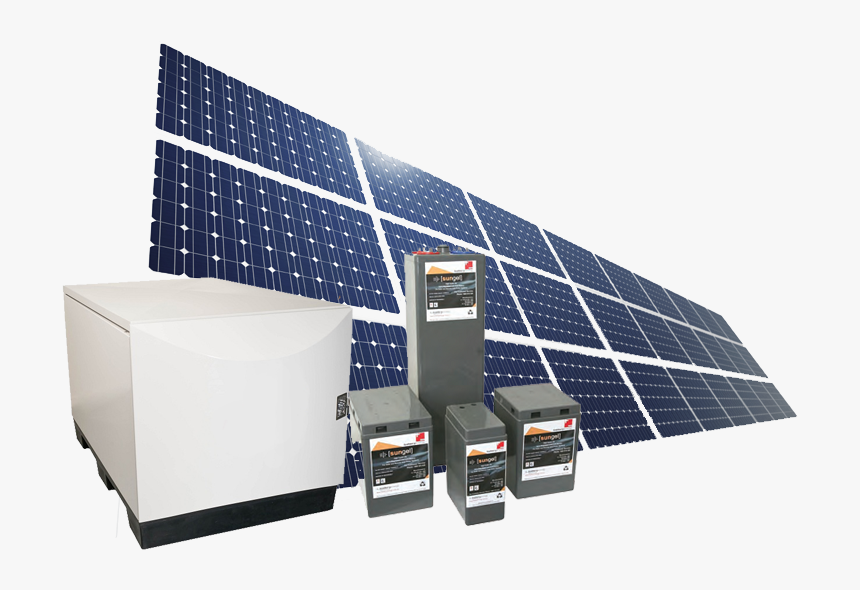
2. Battery Storage & Load-Shedding Protection

We design and install battery systems that store surplus solar energy for evenings, load-shedding, and grid outages providing seamless automatic switchover. Systems are programmed to charge at off-peak rates, maximising year-round savings. Commercial installations in Uganda typically deliver 20–35% IRR, paying back within 3–5 years.

3. Operation & Maintenance (O&M)

Our O&M service covers preventive maintenance, fault diagnosis, component replacement, and performance benchmarking all by our own field technicians, never subcontractors. We operate countrywide with live webcam networks, weather stations, and performance monitoring systems ensuring 24/7 oversight of your asset.

4. Commercial & Financial Management

We manage the full commercial lifecycle of your PV investment: offtake planning, PPA and net-metering contracts, financial reporting, and budget optimisation. Our PPA option enables businesses to benefit from solar with zero upfront capital expenditure, while protecting against rising tariffs and earning tax-free energy savings.
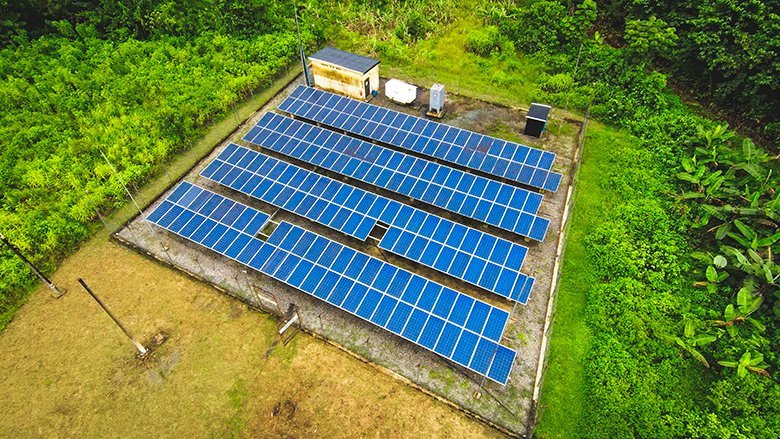
5. Minigrid & Off-Grid Energy Systems

For communities, schools, and health facilities beyond the national grid, Solar Garage engineers complete minigrid and island-grid solutions with optimal orientation, overnight battery autonomy, and biogas or diesel backup integration delivering reliable, affordable power with long-term O&M support.
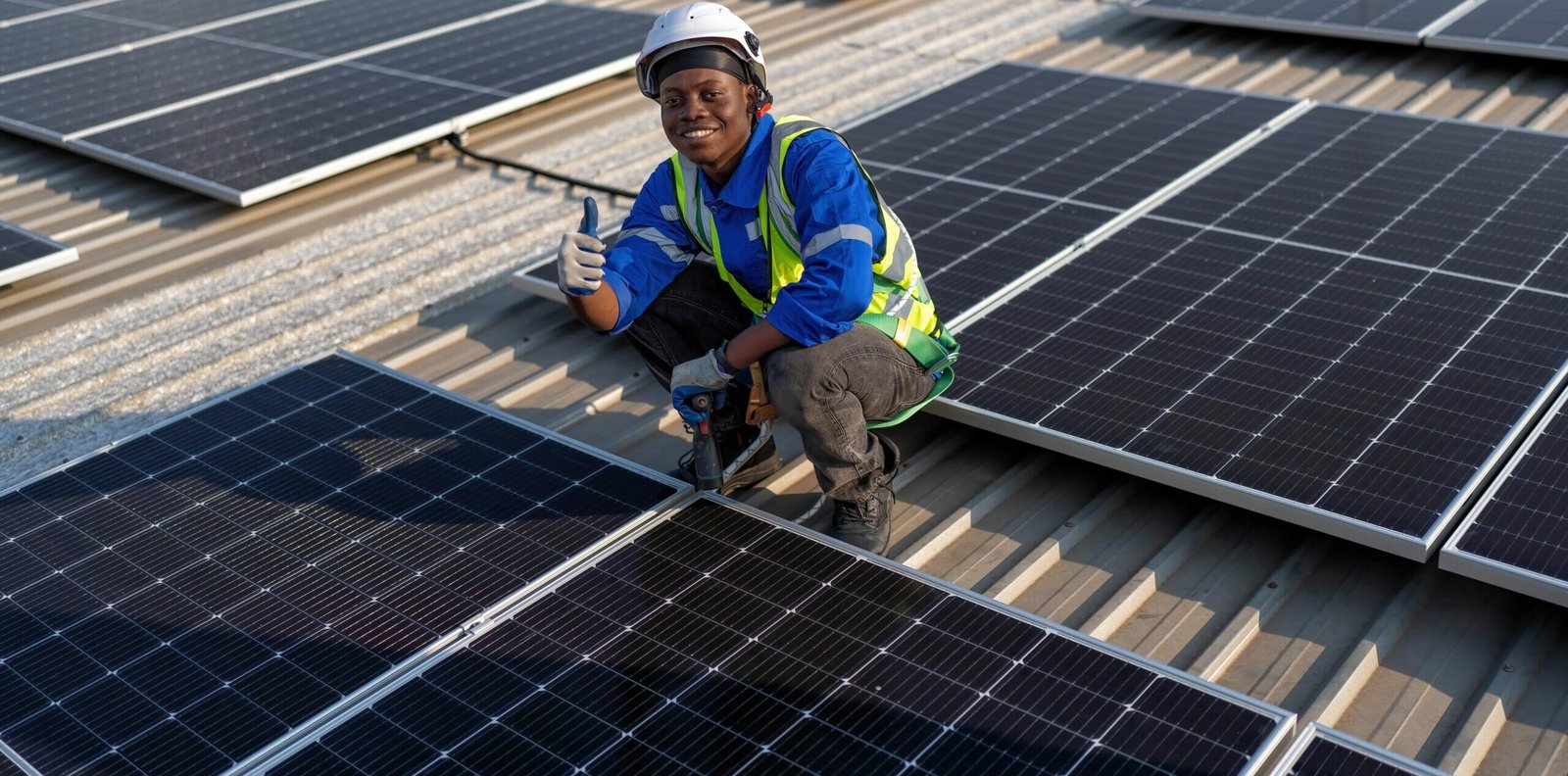
6. Verification, Validation & Certification (FAT)

We provide independent FAT, verification, and validation for solar and biogas projects commissioned by third-party developers using the latest test bench equipment to confirm contracted performance targets. Our Solar Lab supports applied R&D, continuously developing next-generation integrated energy solutions for communities.


SOLAR PV PACKAGES
System size kWp368
Actual System size kWp3.696.158.61
MountingRoof/ OpenRoof/ OpenRoof/ Open
BESS Size kWh5.1210.2415.36
Investment on the System (excl. VAT) 12,000,000 25,000,000 33,000,000
Solar Plant3kW5kW8kW
No of PanelsNr61014
Panel size 615 WkWp3.696.158.61
Inverter1 x 3 kW1 x 5 kW1 x 8 kW
No of BatteryNr123
Nominal ESSkWh5.1210.2415.36
Available EnergykWh4.48.713.1
ApplicationResidentialResidentialResidential
SME
Standard 12,000,000 25,000,000 33,000,000
Lite 21,000,000

Energy Use Application
IroningLimited day timeUnlimitedUnlimited
Cooking Limited day timeLimited day timeUnlimited
Cooking appliancesLimited day timeUnlimitedUnlimited
LightingUnlimitedUnlimitedUnlimited
FridgeFridge (300 L)Fridge (upto 500L) Fridge (upto 500L)
Washing machineLimited day timeUnlimitedUnlimited
Electronic (TV, Decoder etc.)UnlimitedUnlimitedUnlimited
Power toolsLimited day timeLimited day timeLimited day time
Deepfreezer and cold roomNot supportedLimited day timeLimited day time
Water pumpingNot supportedLimited day timeLimited day time
WeldingNot supportednot supportedLimited day time
Microgrid sharing (Homes)NoneNoneNone

SOLAR PV PACKAGES
System size kWp1012
Actual System size kWp00
MountingRoof/ OpenRoof/ Open
BESS Size kWh00
Investment on the System (excl. VAT) 55,000,000 0
Solar Plant10kW12kW
No of Panels1822
Panel size 615 W13.530
Inverter1 x 10 kW1 x 12 kW
No of Battery46
Nominal ESS30.720
Available Energy00
ApplicationCommercialCommercial
SMESME
Standard 48,000,000 55,000,000
Lite

Energy Use Application
IroningUnlimitedUnlimited
Cooking UnlimitedUnlimited
Cooking appliancesUnlimitedUnlimited
LightingUnlimitedUnlimited
FridgeUnlimitedUnlimited
Washing machineUnlimitedUnlimited
Electronic (TV, Decoder etc.)UnlimitedUnlimited
Power toolsUnlimitedUnlimited
Deepfreezer and cold roomUnlimitedUnlimited
Water pumpingUnlimitedUnlimited
WeldingLimited day timeLimited day time
Microgrid sharing (Homes)12
1. How many hours of backup power will my system provide?

Backup duration depends on your chosen battery capacity and the loads you want to run. During your free site assessment, we calculate realistic backup times based on your actual energy consumption and priority appliances (typically 4–12+ hours for most systems).

When battery levels reach a safe minimum, the system automatically switches to the grid (if available) to protect the batteries and ensure you still have continuous power. You can also set custom priorities for essential loads.

Yes. Our larger residential and commercial packages are specifically designed to support high-power appliances. We carefully size the system (inverter, batteries, and solar array) to safely handle your required loads.

Most roofs in Uganda are suitable. During the free site survey, our team assesses roof orientation, shading, structural strength, age, and space availability to recommend the best mounting solution (on-roof, ground-mounted, or flat-roof)

Yes. Our systems come with smart monitoring via a mobile app or web portal. You can track real-time solar generation, battery status, energy consumption, and savings anytime from your phone.

Solar systems are low-maintenance. You only need occasional panel cleaning (especially during dry seasons) and annual professional inspections. We offer full Operation & Maintenance packages with preventive servicing by our in-house team for maximum performance and longevity.

Hybrid systems use solar energy to reduce your electricity bills daily while providing automatic, silent backup during outages. Unlike generators, they have no fuel costs, lower running expenses, and produce clean energy 24/7 when the sun shines.

Our systems are designed to be scalable. You can easily expand by adding more solar panels, batteries, or inverter capacity as your household or business grows.

During the site assessment, we analyze your current electricity bills and usage patterns, then provide a detailed projection showing expected monthly savings, payback period, and return on investment based on your specific tariff and consumption.

Background

Large parts of rural Uganda remain underserved by the national grid, with communities relying on expensive and unreliable diesel generators or having no access to electricity at all. This lack of power limits economic productivity, restricts access to essential services, and reinforces cycles of poverty.

In response to these challenges, this project was developed as a decentralized solar mini-grid solution tailored to the specific energy needs of a rural settlement. The initiative focuses on delivering not just electricity, but a dependable energy ecosystem capable of supporting long-term community growth. By leveraging solar photovoltaic generation combined with battery storage, the system ensures consistent supply even in the absence of grid infrastructure.

Project Overview

The mini-grid integrates a ground-mounted solar photovoltaic array with a hybrid inverter system and battery storage, enabling round-the-clock energy access. Electricity is distributed through a localized low-voltage network connected to households, commercial users, and social institutions such as schools and health centers.

Smart prepaid metering has been implemented across all connection points, allowing users to manage consumption efficiently while ensuring financial sustainability of the system. The design prioritizes scalability, making it possible to expand capacity as demand increases over time.

Implementation Approach

The project began with a comprehensive feasibility study, including site assessments, solar resource analysis, and community engagement to understand demand patterns. Load profiling was conducted to determine peak usage periods and inform system sizing.

Following the design phase, engineering teams deployed the solar array, installed battery storage systems, and established the distribution network. Community members were engaged throughout the process, both to build trust and to ensure proper understanding of how to use and manage the new energy system.

The installation phase was followed by system testing, commissioning, and the rollout of smart meters. Remote monitoring tools were integrated to allow real-time performance tracking and proactive maintenance.

Technical Description

The system is built around a 120 kWp solar PV array, supported by a 300 kWh lithium-ion battery storage system. This configuration allows for daytime energy generation and nighttime supply continuity.

A hybrid inverter manages the interaction between generation, storage, and load demand, ensuring optimal efficiency and system stability. The distribution network operates on a low-voltage framework designed specifically for rural deployment, minimizing transmission losses while maintaining safety and reliability.

An IoT-enabled monitoring platform provides continuous visibility into system performance, enabling quick response to faults and data-driven optimization of operations.

Impact and Outcomes
  • Since commissioning, the mini-grid has significantly improved energy access within the community. Households now benefit from reliable lighting, improved living conditions, and reduced expenditure on kerosene and diesel alternatives.
  • Local businesses, including retail shops, milling operations, and small workshops, have experienced increased productivity due to consistent power availability. Social infrastructure has also benefited, with schools extending study hours and health centers improving service delivery through reliable electricity.
  • The transition from diesel-based energy sources to solar has contributed to a measurable reduction in carbon emissions, aligning the project with broader sustainability and climate goals.
Challenges and Learnings
  • One of the primary challenges encountered during the project was aligning initial system capacity with evolving demand. Energy consumption patterns tend to grow rapidly once reliable electricity becomes available, requiring careful planning for scalability.
  • Seasonal variations in solar generation and energy usage also highlighted the importance of battery storage optimization. Additionally, community education proved essential in ensuring efficient energy use and long-term sustainability of the system.

These insights are being incorporated into future deployments to improve system design, financial modeling, and user engagement strategies.

Conclusion

This solar mini-grid demonstrates the viability of decentralized renewable energy solutions in addressing rural electrification challenges. By combining robust engineering with community-centered implementation, the project provides a scalable model for expanding energy access across similar

Scroll to Top